
 ultimate-guide
How Many Acupuncture Sessions Needed for Lasting Relief?
Table of Contents
- The Honest Answer: It Depends on Your Condition
- What to Expect During Your First Acupuncture Sessions
- Acupuncture Treatment Frequency: How Often Should You Go?
- Acupuncture for Chronic Pain Duration: What the Evidence Says
- How to Know If Acupuncture Is Working
- Acupuncture Safety for Needle Phobia: What Nervous Patients Need to Know
- Maintenance Therapy vs Curative Phases: Planning Beyond Relief
- Conclusion
- Frequently Asked Questions
Last Updated: September 23, 2026
The Honest Answer: It Depends on Your Condition
Most people searching for how many acupuncture sessions needed want a single number. There isn't one. A course of acupuncture sessions is tailored to your condition, its severity, and how long you've had it. At Lee Chinese Style Therapy Ltd, we assess each patient individually rather than applying a fixed schedule.
That said, patterns exist. Acute muscular injuries often respond within a handful of appointments. Long-standing chronic pain typically needs a longer course of treatment before lasting change takes hold.
This guide breaks down realistic timelines by condition, explains what treatment frequency looks like in practice, and shows you how to judge whether acupuncture is working for you. For a deeper look at what we offer, see our treatments page.
What to Expect During Your First Acupuncture Sessions
Your first appointment is an assessment as much as a treatment. A practitioner reviews your history, examines the affected area, and may take a pulse and look at your tongue, both standard diagnostic tools in traditional Chinese medicine.
The Initial Consultation and Assessment
Expect questions about your pain, sleep, digestion, stress levels, and medical history. This information shapes the treatment plan. If you're taking medication or have a diagnosed condition, bring those details with you.
What a Typical Session Involves
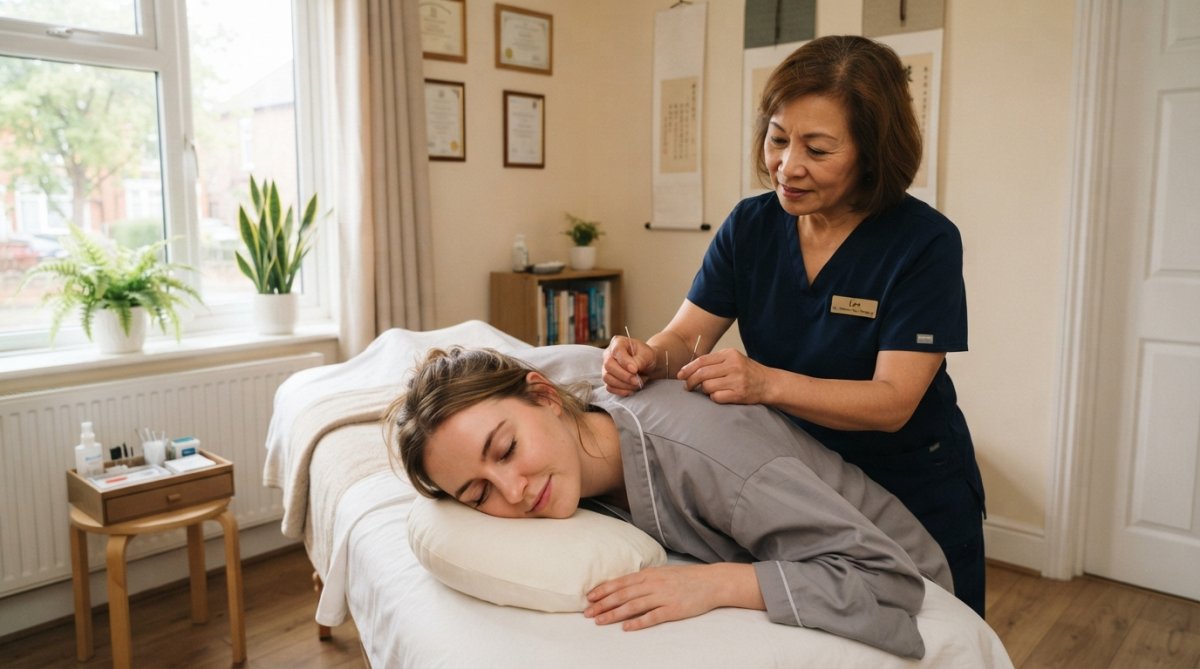
A session usually lasts between 30 and 60 minutes. Fine sterile needles are inserted at specific points, then left in place for around 20 minutes. Most people feel a mild dull ache or tingling rather than sharp pain. Many find the experience deeply relaxing.
Acupuncture Treatment Frequency: How Often Should You Go?
Acupuncture treatment frequency typically starts higher and tapers off. Many practitioners recommend weekly sessions at the beginning, then space them out as symptoms improve. This mirrors how the therapeutic effect builds over time.
Weekly Sessions vs Bi-Weekly: Finding Your Rhythm
Early treatment often means weekly sessions to establish momentum. As your body responds, appointments may move to bi-weekly, then monthly. A common approach is to front-load frequency and reduce it gradually.
| Phase | Typical Frequency | Purpose |
|---|---|---|
| Initial | Weekly | Establish cumulative effect |
| Improvement | Bi-weekly | Consolidate gains |
| Maintenance | Monthly or quarterly | Prevent relapse |
Acupuncture for Chronic Pain Duration: What the Evidence Says
Chronic pain generally requires a longer course of treatment than acute conditions. Long-standing conditions involve changes to how the nervous system processes pain, so the physiological response builds more slowly.
A common approach is an initial block of six to eight sessions, reviewed at regular intervals. If you notice meaningful change by session four, continuing usually makes sense. If nothing shifts by session six, a practitioner may adjust the treatment plan or suggest combining acupuncture with other therapies.
Evidence-based guidance from the National Institute for Health and Care Excellence supports considering acupuncture for some chronic pain presentations. For specific conditions, your GP or practitioner can advise on suitability.
How to Know If Acupuncture Is Working
Patient-reported outcome measures (PROMs) are the most reliable way to track progress. Rather than relying on memory, rate your pain, sleep, and mobility on a simple scale before each session.
Watch for these signs:
- Pain intensity dropping, even slightly, week on week
- Better sleep or reduced reliance on pain relief
- Improved range of movement in the affected area
- Fewer flare-ups or shorter recovery from them
Acupuncture Safety for Needle Phobia: What Nervous Patients Need to Know
Acupuncture safety for needle phobia starts with honesty. Tell your practitioner you're anxious before treatment begins. They can adjust technique, use fewer needles, and talk you through each step.
The needles used are far thinner than those for injections or blood tests. Most people who fear needles find acupuncture surprisingly manageable.
Alternatives If Needles Feel Like a Barrier
If needles remain a barrier, other options exist. Acupressure applies pressure to the same points without piercing the skin. Tui Na massage and Chinese medical cupping work on muscles and circulation without needles. These can form part of a treatment plan while you build confidence.
Maintenance Therapy vs Curative Phases: Planning Beyond Relief
Treatment splits into two distinct phases, and confusing them is why many people relapse. The curative phase targets the active problem. The maintenance phase protects the result.
Once your main symptoms settle, spacing sessions out to monthly or quarterly helps hold the gains. This is where a cost-benefit view matters. Fewer, well-timed maintenance appointments often cost less over a year than restarting a full course after a relapse.
Integration with other therapies also helps. Combining acupuncture with physiotherapy, stretching, or targeted exercise often produces better outcomes than any single approach alone.
Conclusion
Working out how many acupuncture sessions you need is less about a fixed number and more about matching treatment to your condition and reviewing progress honestly. If you're in Hull, Willerby, or across East Yorkshire and want a personalised plan, Lee Chinese Style Therapy Ltd offers acupuncture, Tui Na massage, and cupping tailored to complex conditions. Get started with Lee Chinese Style Therapy Ltd and find a treatment schedule built around your recovery.
Frequently Asked Questions
How often should I get acupuncture to see results?
Most people start with weekly acupuncture sessions for four to six weeks, then reduce frequency as symptoms improve. Acute conditions may respond in two or three sessions, while chronic pain often needs a longer course of treatment. Your practitioner will adjust the treatment schedule based on your physiological response and patient-reported outcomes. Consistency matters more than intensity, so a steady rhythm of weekly sessions usually beats sporadic appointments.
What are the signs that acupuncture is working?
Early signs include better sleep, reduced pain intensity, improved mood and easier movement. Some people notice a cumulative effect after three or four sessions, where symptom relief lasts longer between appointments. Clinical observation and patient progress tracking help confirm whether the treatment plan is on course. If nothing changes after six sessions, discuss adjusting the approach with your practitioner.
Can you do too much acupuncture?
Yes. Overly frequent sessions can leave you feeling drained rather than restored. A qualified practitioner spaces treatments to allow your body to respond between appointments, typically once or twice weekly during the active phase. Standardised protocols suggest short courses followed by review. If you feel worse rather than better, tell your practitioner so they can adjust the therapeutic dose.
How long does it take for acupuncture to have an effect?
Some people feel relief after the first session, but lasting change usually builds over a course of treatment. Acute conditions may improve within one to two weeks, while long-standing conditions often need six to twelve sessions. The recovery timeline depends on your condition, general health and how consistently you attend. Follow-up appointments help your practitioner refine the plan as your body responds.
Do I need ongoing acupuncture sessions for maintenance?
Many people benefit from maintenance therapy once symptoms have stabilised. This might mean one session every four to six weeks to prevent flare-ups of chronic pain or manage stress. Maintenance is optional and depends on your goals. Some people stop entirely once they reach a good baseline, while others use occasional sessions as part of their holistic wellness routine.
Is acupuncture safe if I have a needle phobia?
Acupuncture safety for needle phobia is taken seriously. The needles are much finer than injections, and many people who fear injections tolerate acupuncture well. Tell your practitioner beforehand so they can use a gentler technique, keep you informed and pause if needed. Alternatives such as acupressure or Tui Na massage may suit you if needles remain a barrier.
How much does a course of treatment typically cost?
Pricing depends on the number of sessions, the complexity of your condition and the clinic you choose. Most clinics offer a discounted rate for a block of sessions. It is worth asking about a treatment plan upfront so you know the likely total. Contact the clinic directly for current fees and any package options before you commit.
What should I expect during my first acupuncture session?
Your first appointment usually includes a detailed consultation about your health history, lifestyle and symptoms. The practitioner may check your pulse and tongue, then place fine needles at specific points. You rest for twenty to thirty minutes. Most people feel relaxed during and after. Mild bruising or drowsiness can occur but usually settles quickly. Wear loose clothing for easy access to treatment areas.