 how-to
Acupuncture for Hormonal Balance in Women
Table of Contents
- How Acupuncture Supports Hormonal Balance in Women
- Signs of Hormonal Imbalance in Women
- Acupuncture for Menopause Symptoms
- Acupuncture for PMS and Period Pain
- Acupuncture for Perimenopause Support
- What to Expect: Treatment Sessions and Timeline
- Safety Considerations and When to Seek Medical Advice
- Coordinating Acupuncture with Conventional Care
- Frequently Asked Questions
Last Updated: October 10, 2026
How Acupuncture Supports Hormonal Balance in Women
Hormonal imbalance affects millions of women across the UK, impacting mood, sleep, energy, and menstrual health. Acupuncture hormonal balance addresses these issues by working with your body's natural systems. Traditional Chinese medicine views hormonal health through energy flow and system balance, offering a different perspective from conventional approaches.
The endocrine and nervous systems work together to regulate hormones. When dysregulated, symptoms cascade across your body. Acupuncture targets specific points that communicate with these systems, helping restore equilibrium.
The endocrine system and nervous system connection
Your endocrine system produces hormones; your nervous system responds and sends signals back. When stress, poor sleep, or other factors disrupt this dialogue, hormonal symptoms emerge.
Acupuncture stimulates nerves that influence hormone production. Fine needles placed at specific points trigger the release of neurotransmitters and hormones regulating mood, pain, and reproductive function, measurable physiology.
Acupuncture points and hormone regulation
Specific acupuncture points along the abdomen, lower back, and legs are traditionally associated with reproductive and endocrine function.
Jade, our hormonal expert at Lee Chinese Style Therapy Ltd, combines traditional knowledge with current anatomy to identify which points will be most effective for your specific symptoms and hormonal pattern.
The goal is to rebalance energy flow, what's called "Qi" in Chinese medicine, so your body can regulate itself more effectively.
Signs of Hormonal Imbalance in Women
Hormonal imbalance often presents as a cluster of seemingly unrelated changes stemming from the same underlying dysregulation.
Mood changes, anxiety, and irritability
Hormonal fluctuations directly affect serotonin and dopamine, which regulate mood. When hormones swing, so does emotional stability.
You might notice:
- Unexplained irritability or anger
- Anxiety that feels disconnected from circumstances
- Low mood or depression
- Difficulty managing stress
These are signals that your endocrine system needs support. Acupuncture can help by calming the nervous system and supporting neurotransmitter balance.
Physical symptoms: bloating, fatigue, and sleep disruption
Hormonal imbalance creates physical discomfort alongside emotional symptoms: bloating, water retention, digestive changes, and fatigue that sleep doesn't fix.
Sleep disruption often accompanies hormonal imbalance: difficulty falling asleep, night sweats, waking multiple times, and feeling unrefreshed. These symptoms feed each other, poor sleep worsens hormonal dysregulation, which disrupts sleep further. Acupuncture can interrupt this cycle by supporting nervous system function and the body's natural sleep-wake regulation.
Acupuncture for Menopause Symptoms
Menopause represents a significant hormonal transition lasting several years, with oestrogen and progesterone declining sharply and affecting temperature regulation, mood, sleep, and bone health.
Hot flashes, night sweats, and temperature regulation
Hot flushes are the hallmark menopause symptom, with sudden heat surges flooding your face and torso. Night sweats drench bedding and disrupt sleep.
Acupuncture for hormonal balance in women during menopause targets points influencing the hypothalamus, which controls temperature.
Mood stability and sleep quality during menopause
Menopause affects mood and sleep profoundly through rapid hormone decline. Acupuncture supports mood by calming the nervous system's stress response, supporting serotonin and dopamine production, and improving sleep quality, helping many women feel more emotionally resilient.
Acupuncture for PMS and Period Pain
PMS and painful periods reflect hormonal imbalance in the menstrual cycle, with oestrogen and progesterone fluctuations triggering inflammation, muscle tension, and mood changes. Acupuncture for PMS regulates these fluctuations and reduces inflammation, most effectively when started before symptoms peak, ideally in the luteal phase.
Menstrual cycle regulation and symptom timing
Irregular cycles and unpredictable symptoms suggest hormonal dysregulation. Acupuncture hormonal balance helps normalise cycle length and reduce period-related symptom intensity.
Acupuncture for Perimenopause Support
Perimenopause, the transition into menopause, typically lasts 4-10 years and is often more challenging than menopause itself (the NHS). Hormone levels fluctuate unpredictably rather than declining steadily, creating a wider range of symptoms. Acupuncture can help stabilise these swings and support your quality of life throughout this extended transition.
Why perimenopause is different
During perimenopause, oestrogen and progesterone levels rise and fall erratically, triggering irregular or heavy periods, unpredictable hot flushes and night sweats, extreme mood swings, sleep disruption, brain fog, and joint and muscle aches.
Acupuncture mechanisms during perimenopause
Acupuncture for perimenopause works by: (1) calming the sympathetic nervous system to reduce reactivity to hormone swings; (2) targeting the hypothalamus to restore stable temperature, mood, and sleep regulation; (3) supporting serotonin and dopamine to stabilise mood and sleep; and (4) reducing inflammation that causes joint pain and brain fog.
Treatment approach and timeline for perimenopause
Treatment is typically structured in phases: Weeks 1-4 (1-2 sessions weekly) focus on nervous-system calming; weeks 5-12 (2-3 sessions monthly) deepen regulation; months 4+ (monthly or as needed) sustain improvements.
Tracking outcomes and adjusting expectations
To measure whether acupuncture is working, track hot-flush frequency and severity, sleep quality, mood stability, energy and brain clarity, and cycle regularity. Keep a simple log for 2-3 weeks before treatment, then at weeks 4, 8, and 12. The goal is to reduce symptom severity and improve your ability to manage them, not to eliminate all symptoms.
Perimenopause and conventional support
Acupuncture works best alongside conventional care during perimenopause. Your GP can confirm perimenopause, rule out thyroid dysfunction, discuss HRT if needed, and monitor bone health. Many women combine acupuncture with HRT, exercise, sleep hygiene, stress management, and dietary adjustments. At Lee Chinese Style Therapy Ltd, we encourage you to keep your GP informed about your acupuncture treatment.
What to Expect: Treatment Sessions and Timeline
Acupuncture treatment for hormonal balance follows a structured approach. Your first session includes a detailed consultation where Jade or another practitioner assesses your symptoms, medical history, and hormonal pattern.
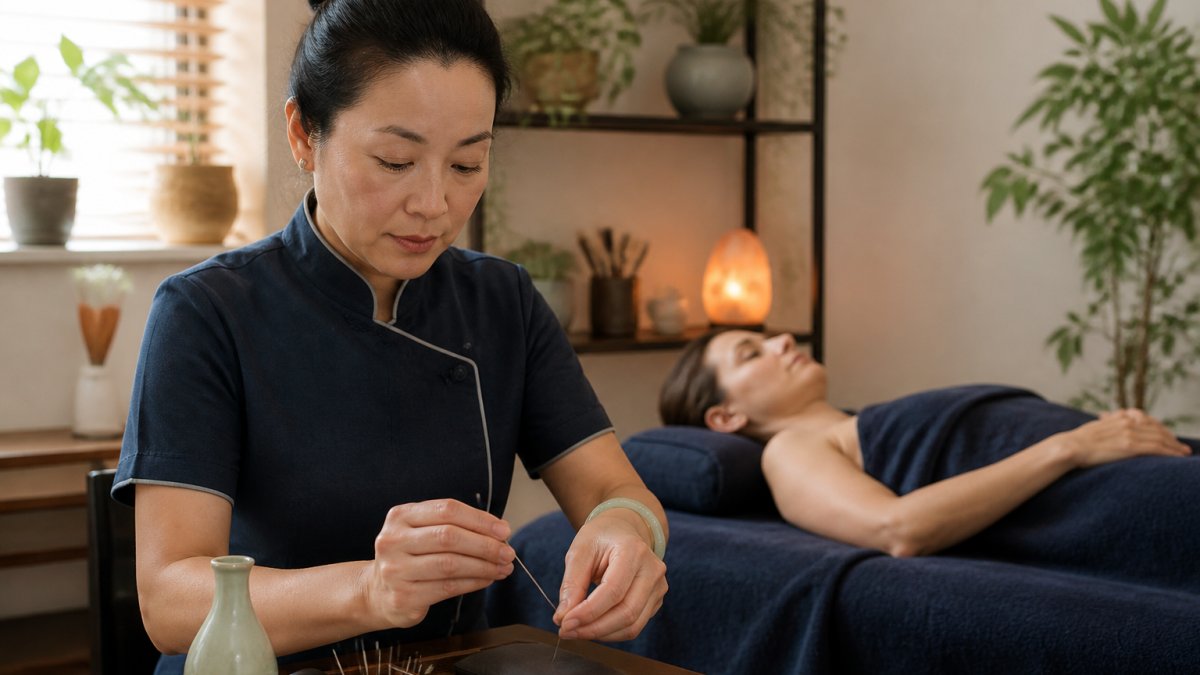
Initial consultation and assessment
Your practitioner will ask about your menstrual history, current symptoms, stress levels, sleep patterns, and previous treatments to identify the most effective acupuncture points. The consultation typically lasts 30-45 minutes, with treatment involving fine needles placed at specific points and left in place for 20-30 minutes whilst you rest.
Treatment frequency and individual response
Most women benefit from weekly or twice-weekly sessions initially. Long-term results depend on consistency, severity of imbalance, individual response, and lifestyle factors. Some women continue monthly maintenance sessions; others use periodic treatment during flare-ups. Your practitioner will recommend a schedule tailored to your needs.
| Treatment Phase | Frequency | Duration | Expected Timeline |
|---|---|---|---|
| Initial phase | 1-2 sessions weekly | 4-6 weeks | First symptom improvements |
| Consolidation | 2-3 sessions monthly | 8-12 weeks | More stable hormonal patterns |
| Maintenance | Monthly or as needed | Ongoing | Sustained symptom management |
Safety Considerations and When to Seek Medical Advice
Acupuncture is generally safe when performed by a qualified practitioner, with serious complications rare. Understanding common minor effects and when to seek medical advice helps you make an informed decision.
Common minor side effects
Most women experience no adverse effects, but some report mild, temporary reactions: bruising or slight bleeding at needle sites, mild soreness, temporary fatigue, or slight dizziness if standing too quickly. Your practitioner should discuss what to expect and how to manage any discomfort.
Practitioner qualifications and standards
Treatment safety depends heavily on practitioner skill and hygiene. In the UK, acupuncturists are not statutorily regulated, but reputable practitioners hold qualifications from recognised bodies such as the British Acupuncture Council (BAC) or the Acupuncture Society. These organisations require:
- Completion of accredited training (typically 3+ years of study)
- Supervised clinical practice
- Continuing professional development
- Adherence to strict hygiene and safety protocols
- Professional indemnity insurance
Before booking, ask your practitioner about their qualifications, membership in a professional body, and experience with hormonal health in women. Jade, our hormonal expert at Lee Chinese Style Therapy Ltd, holds BAC accreditation and specialises in women's endocrine support.
When to seek medical advice first
Certain situations require conventional medical assessment before starting acupuncture:
- Severe or worsening symptoms that significantly impact daily life
- Unexpected bleeding, discharge, or changes in menstrual pattern that have not been evaluated by your GP
- History of blood clots, thrombosis, or clotting disorders
- Pregnancy or planning pregnancy (acupuncture can be safe in pregnancy, but your GP and acupuncturist must coordinate care)
- Current use of blood-thinning medications (warfarin, apixaban, etc.)
- Pacemaker or other implanted electronic device
- Unexplained weight changes, fever, or systemic symptoms that might indicate an underlying condition requiring diagnosis
If you have any of these, contact your GP before booking acupuncture. Your doctor can run blood tests to confirm hormonal imbalance, rule out thyroid dysfunction or other conditions, and ensure acupuncture complements rather than conflicts with your medical care.
Evidence limitations and realistic expectations
While acupuncture has shown promise for certain hormonal symptoms, the evidence base varies by condition. Acupuncture works best as part of an integrated approach, alongside medical evaluation, lifestyle changes, and (if appropriate) conventional treatment, rather than as a standalone solution.
Your practitioner should be transparent about what acupuncture can and cannot do. It may help reduce symptom severity and support nervous-system regulation, but it does not replace medical diagnosis or treatment of underlying hormonal conditions.
Coordinating with your medical team
Inform both your GP and your acupuncturist about all treatments you are receiving. This ensures:
- Your GP monitors your overall health and hormonal status
- Your acupuncturist understands any medications or conditions that might affect treatment
- There are no unintended interactions or conflicts
- Your care is genuinely integrated rather than fragmented
At Lee Chinese Style Therapy Ltd, we actively encourage communication with your medical team and can provide written summaries of your treatment plan if your GP requests them.
Coordinating Acupuncture with Conventional Care
Many women benefit most from combining acupuncture with conventional medical support. Your GP can run blood tests to confirm hormonal imbalance and rule out other conditions. Acupuncture then complements that conventional care.
This integrated approach means:
- Your GP monitors your overall health
- Acupuncture addresses symptoms and supports hormone regulation
- You have multiple tools working together
- Your practitioners communicate about your care
At Lee Chinese Style Therapy Ltd, we work collaboratively with your medical team to ensure safe, effective treatment. Jade and our other practitioners are experienced in supporting women through hormonal transitions while respecting the role of conventional medicine.
Hormonal imbalance affects your quality of life, but you don't have to manage it alone. Acupuncture for hormonal balance offers a natural, evidence-informed approach to supporting your endocrine and nervous systems. Book a consultation with Lee Chinese Style Therapy Ltd today. Our team will assess your individual hormonal pattern and create a treatment plan designed to help you feel balanced, energised, and like yourself again. Learn more about acupuncture for women's health
Frequently Asked Questions
Can acupuncture really help with hormonal balance, or is it just placebo?
Acupuncture works through stimulation of specific points that influence the nervous system and endocrine system. Research suggests it may help regulate hormone levels and improve symptoms like hot flashes, mood changes, and menstrual irregularity. Results vary by individual and condition. A consultation with a qualified practitioner, such as Jade at our clinic, can help you understand whether acupuncture is appropriate for your specific hormonal concerns and what realistic outcomes to expect.
How many acupuncture sessions will I need to see results for hormonal imbalance?
Treatment frequency and duration depend on your individual condition, symptom severity, and how your body responds. Your practitioner will assess your progress during each session and adjust the treatment plan accordingly. Initial results may be subtle, with more noticeable changes appearing over time as your body's stress response and hormone regulation improve.
Is acupuncture safe for women with hormonal symptoms like PCOS or during perimenopause?
Acupuncture is generally considered safe when performed by a qualified practitioner. However, if you have specific medical conditions, take hormone-related medications, or are pregnant, it's essential to inform your practitioner beforehand. Certain acupuncture points are avoided during pregnancy. A professional consultation allows your practitioner to tailor treatment safely to your individual health status and ensure it complements any conventional medical care you're receiving.
What are the main signs of hormonal imbalance I should watch for?
Common signs include irregular or painful periods, severe PMS symptoms (mood swings, bloating, breast tenderness), hot flashes or night sweats, unexplained fatigue, sleep disruption, anxiety, irritability, and changes in appetite or weight. These symptoms can occur across different life stages, during your reproductive years, perimenopause, or menopause. If you notice persistent changes in your menstrual cycle, mood, or physical wellbeing, a consultation with a healthcare provider or qualified acupuncture practitioner can help identify whether hormonal imbalance is the underlying cause.