 how-to
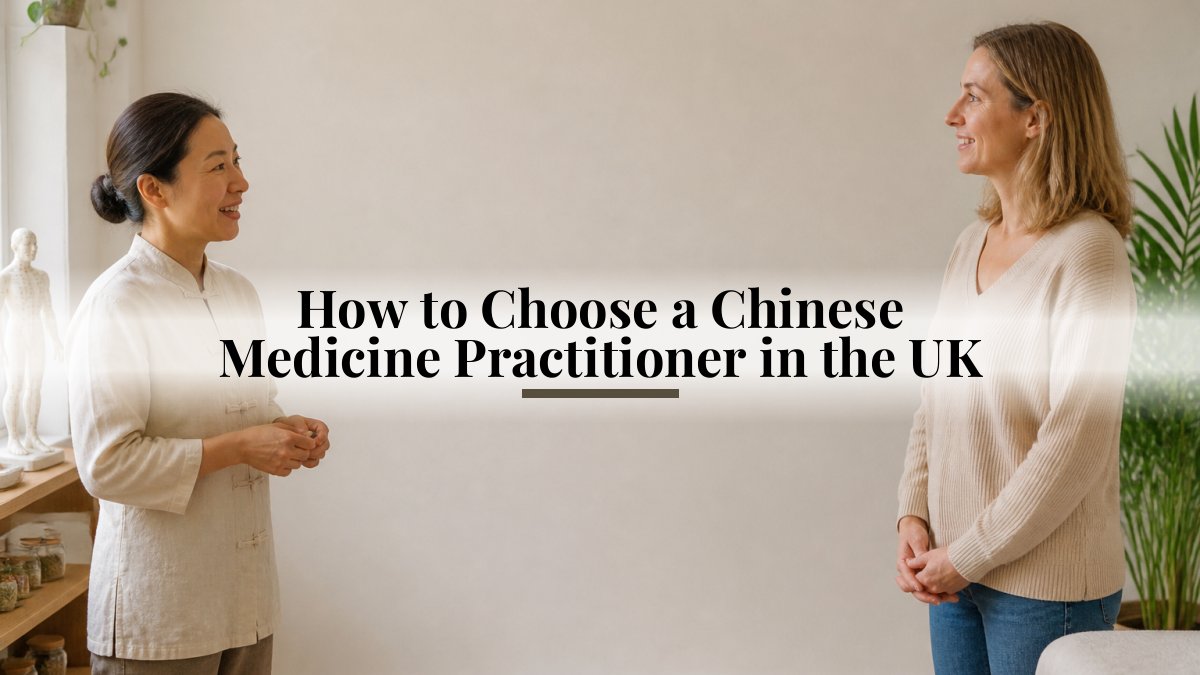
How to Choose a Chinese Medicine Practitioner in the UK
Table of Contents
- What to Expect at a Chinese Medicine Consultation
- Chinese Medicine Practitioner Qualifications UK: What to Look For
- Questions to Ask an Acupuncture Practitioner Before You Book
- Chinese Medicine Practitioner Safety: Hygiene, Needles and Insurance
- Matching the Practitioner to Your Condition
- Frequently Asked Questions
Last Updated: October 9, 2026
What to Expect at a Chinese Medicine Consultation
A Chinese medicine consultation is a structured assessment, not a quick chat. Most first appointments run longer than a standard GP visit. That is deliberate. The practitioner needs time to build a full picture of your health before recommending anything.
At Lee Chinese Style Therapy Ltd, we structure first appointments around careful listening and observation. We are a traditional Chinese medicine clinic in Hull and Willerby, and we see many people who arrive after years of unresolved pain or fatigue.
So what actually happens in the room?
The First Appointment: Questions and Examination
Expect a detailed case history covering your sleep, digestion, energy, mood, menstrual cycle and stress levels. Nothing is too small to mention. A practitioner may ask about your temperature preferences, food cravings and how you handle cold weather.
The physical examination usually includes:
- Pulse reading at three points on each wrist
- Tongue inspection for colour, coating and shape
- Palpation of the abdomen or affected areas
- Range-of-motion checks if you have joint or muscle problems
A common mistake is arriving with only your main symptom and nothing else. The pattern behind chronic neck stiffness often shows up in your digestion or sleep first. Mention everything.

Chinese Medicine Practitioner Qualifications UK: What to Look For
Chinese medicine practitioner qualifications in the UK vary more than most patients realise. Acupuncture is not a protected title, so anyone can legally call themselves an acupuncturist. That makes checking credentials your job, not a formality.
Start with three checks:
- Professional registration with a recognised body such as the British Acupuncture Council
- Training hours completed in acupuncture and Chinese herbal medicine
- Insurance cover for the treatments offered
Registration with a professional body means the practitioner meets agreed training standards and follows a complaints process. It also signals ongoing development, not just a one-off certificate.
Acupuncture-Specific Training and Registration
Acupuncture training should be a minimum of three years at degree level for safe practice. Shorter courses exist, but they suit qualified healthcare professionals adding a skill, not someone starting from scratch.
Ask directly which register they belong to and check it yourself. The Professional Standards Authority accredited registers lists bodies that meet government-set standards for voluntary registration.
Questions to Ask an Acupuncture Practitioner Before You Book
Good questions to ask an acupuncture practitioner cover training, safety, treatment plans and cost. A confident practitioner will answer all of them without hesitation. Vague answers are a warning sign.
Ask these before you commit:
- How many sessions do you expect I will need?
- What results should I look for, and when?
- Are you insured for the treatments you offer?
- What happens if I feel worse after a session?
- Do you work alongside my GP or consultant?
- What is your policy on cancellations and refunds?
The answers tell you more than any website. A practitioner who promises a cure in one session is overselling. A practitioner who explains realistic timelines is being honest.
Our own female hormone and menopause clinic runs on Saturdays with Jade, and it exists because so many women are told their symptoms are simply something to live with. A proper assessment looks at the whole picture, not one symptom in isolation.
Chinese Medicine Practitioner Safety: Hygiene, Needles and Insurance
Chinese medicine practitioner safety comes down to three things: single-use needles, clean clinic practice and valid insurance. All three should be non-negotiable.
Needles must be sterile, single-use and disposed of in a sharps bin immediately. Ask to see the packaging opened in front of you. Reputable clinics expect this question and never take offence.
Other safety points to check:
- Practitioners wash hands and use gloves where needed
- Treatment rooms are clean and well lit
- Consent is discussed before every session
- You are told what to expect and how to report problems
The MHRA guidance on medical devices sets out how needles and similar equipment are regulated in the UK. If a clinic cannot explain how it handles sharps and waste, that is a serious red flag.
Insurance matters too. If something goes wrong, you need a route to a complaint and, where appropriate, compensation. Professional body membership usually requires current insurance as a condition of staying on the register.
Matching the Practitioner to Your Condition
Not every practitioner suits every problem. Someone brilliant with sports injuries may have little experience with menopause symptoms. Matching matters more than reputation.
Think about your main issue and look for relevant experience:
| Your main concern | Look for | What to ask |
|---|---|---|
| Chronic musculoskeletal pain | Tui Na and cupping experience | How many similar cases have you treated? |
| Menopause and hormonal symptoms | Hormone-focused clinic experience | Do you run dedicated hormone clinics? |
| Sports injury recovery | Soft tissue and rehab training | How do you work with training schedules? |
| Stress and fatigue | Holistic assessment approach | How do you track progress over time? |
A common mistake is choosing purely on price or location. A slightly longer journey to a practitioner who treats your condition daily is usually worth it.
If you are unsure where to start, book a consultation and see how the assessment feels. A good practitioner will tell you honestly whether they can help, and refer you on if they cannot.
Choosing a practitioner can feel like guesswork when the field is lightly regulated and every clinic claims the same expertise. You deserve clearer answers than that. At Lee Chinese Style Therapy Ltd, we offer acupuncture, Tui Na massage and cupping, with careful assessment before any treatment begins. Our female hormone and menopause clinic runs on Saturdays with Jade for women who want their symptoms taken seriously. Book a consultation and get an honest view of whether Chinese medicine can help your case.
Frequently Asked Questions
How do I check whether a Chinese medicine practitioner is qualified?
Ask which professional body they belong to. The British Acupuncture Council (BAcC) and the Association of Traditional Chinese Medicine (ATCM) are the main UK bodies. Members must hold a degree-level qualification, follow strict codes of practice and carry full professional indemnity insurance. You can also ask to see their certificate and check their registration directly with the body. In the UK, acupuncture is not statutorily regulated, so voluntary registration is the clearest signal of competence.
Is acupuncture regulated in the UK?
Acupuncture is not currently statutorily regulated in the UK, which means anyone can call themselves an acupuncturist. However, local councils regulate cosmetic acupuncture and skin-piercing under the Local Government (Miscellaneous Provisions) Act 1982, requiring premises registration and hygiene inspection. For treatment of health conditions, voluntary self-regulation through bodies like the BAcC or ATCM is the main safeguard. Always choose a practitioner who belongs to one of these bodies and holds current insurance.
Should I tell my GP if I am seeing a Chinese medicine practitioner?
Yes. Tell your GP about any Chinese medicine treatment you are receiving, especially if you are taking prescribed medication or have a chronic condition. Some herbs can interact with drugs such as warfarin, thyroid medication or blood pressure tablets. Your GP can also confirm whether your condition needs conventional investigation first. A responsible practitioner will encourage this and may ask for your consent to contact your GP if needed.
What should I look for in a Chinese medicine clinic in Hull?
Check that the clinic has a fixed address, clean treatment rooms and single-use needles. Ask about the practitioner's training, registration and insurance. Read recent reviews and ask whether they offer a range of treatments such as acupuncture, Tui Na massage or cupping. If you are going through menopause, ask whether they run a female hormone and menopause clinic on Saturdays with Jade. A clinic that answers these questions openly is a good sign.