 how-to
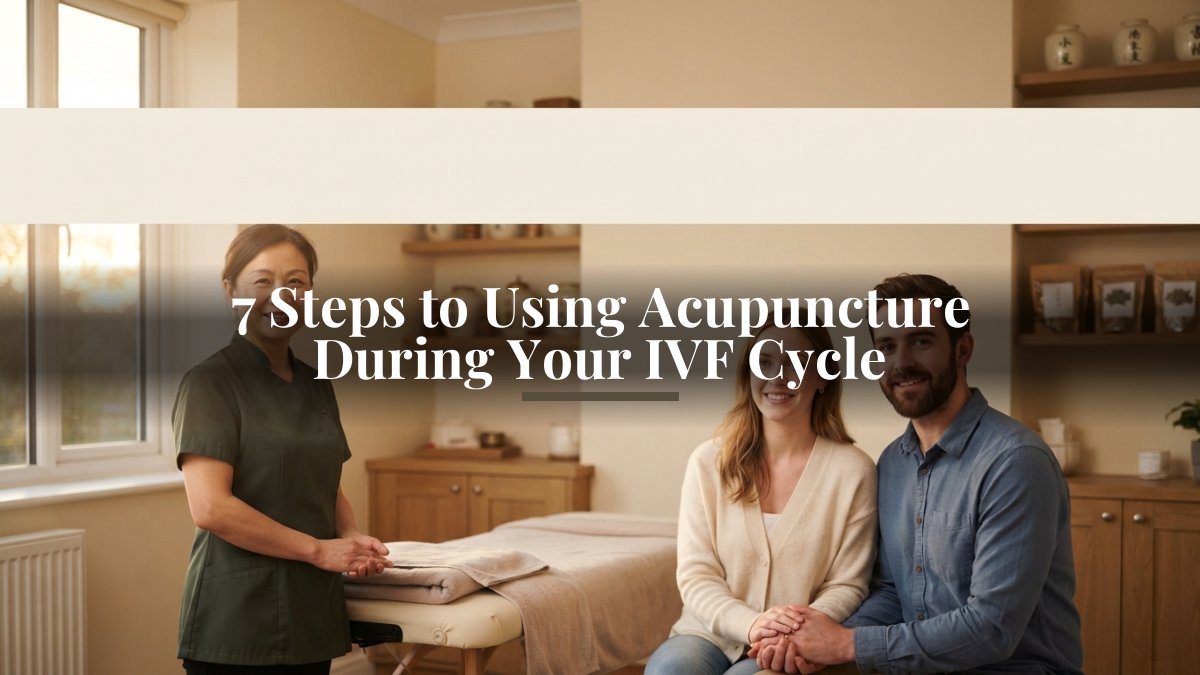
7 Steps to Using Acupuncture During Your IVF Cycle
Last Updated: 4 November 2026
Quick Summary
To use acupuncture during IVF, first confirm with your fertility clinic that it is safe for your specific protocol, then schedule sessions around your cycle stages rather than booking a fixed course in advance. Most people start several weeks before day one, continue weekly or twice-weekly through stimulation, and have one session before and after egg retrieval and embryo transfer.
- Tell your acupuncturist your protocol, medications and any blood-thinning drugs before your first session.
- Start weekly sessions two to four weeks before day one of a fresh cycle.
- Book stimulation sessions between monitoring scans, not on scan days.
- Plan one session two to three days before egg retrieval and one afterwards once discomfort settles.
- Ask for a clear quote and check cancellation policies before committing to a course.
Table of Contents
- Step 1: Confirm Acupuncture Is Safe for Your IVF Protocol
- Step 2: Know When to Have Acupuncture During IVF
- Step 3: Plan Acupuncture During IVF Stimulation
- Step 4: Time Sessions Around Egg Retrieval
- Step 5: Arrange Acupuncture Before and After Embryo Transfer
- Step 6: Weigh Up Acupuncture and IVF Success Rates
- Step 7: Coordinate Your Appointments and Manage the Session Burden
- Book a Consultation to Build Your IVF Acupuncture Plan
- Frequently Asked Questions
Step 1: Confirm Acupuncture Is Safe for Your IVF Protocol
Acupuncture during IVF is a complementary therapy that many people use alongside their fertility treatment, and the first step is confirming it is safe for your specific protocol. Acupuncture is best understood as a complementary therapy that sits beside your medical care, never in place of it.
Safety starts with disclosure. Before your first session, tell your acupuncturist:
- Which fertility clinic you attend and who your consultant is
- Your exact protocol, including any medication for controlled ovarian stimulation (COS)
- Any blood-thinning medication, including low-dose aspirin
- Any history of bleeding disorders or immune conditions
- Where you are in your cycle right now
Your fertility specialist remains the decision-maker. If your clinic has given you specific instructions about complementary therapy, those instructions come first. A qualified acupuncturist should also check your medical history and adjust or decline treatment where it is not appropriate.
If you have never had acupuncture, it helps to know what the first appointment involves.
Watch out: never book a session without telling your fertility team, and never stop or change prescribed medication because a complementary practitioner suggests it.
Step 2: Know When to Have Acupuncture During IVF
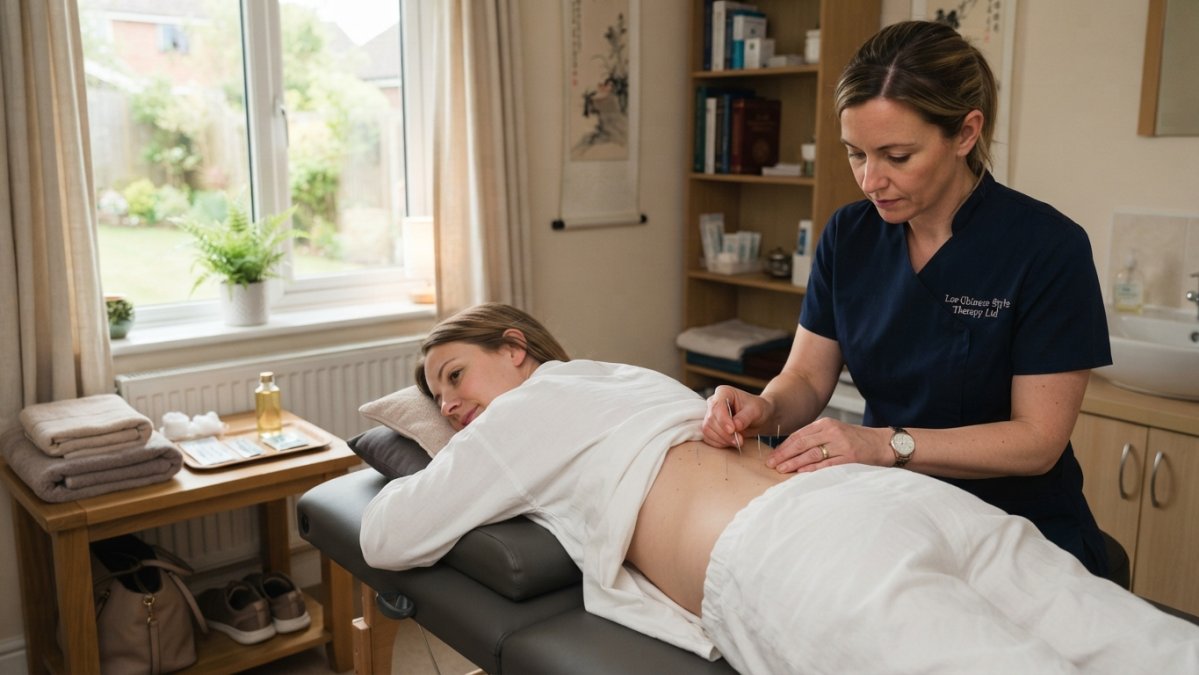
Many people start acupuncture several weeks before their cycle begins, so their body has time to settle into regular treatment.
There is no single correct schedule. Your timeline depends on whether you are having a fresh embryo transfer or a frozen embryo transfer (FET cycle), and on how your body responds to ovarian stimulation. Most guides gloss over this distinction; it matters, because a frozen cycle has no stimulation phase and a much shorter run-in to transfer.
Fresh IVF cycle: a stage-by-stage timeline
- Pre-cycle (two to four weeks before day one): weekly sessions. This is the window to address sleep, stress and general wellbeing before medication starts.
- Down-regulation, if used: weekly sessions. Some people feel low or headachy during this phase, and gentle treatment can support relaxation.
- Stimulation (typically 8-14 days): weekly or twice-weekly sessions, booked between monitoring scans rather than on scan days. Your clinic will be tracking follicle growth every few days, so flexibility matters more than a fixed count.
- Two to three days before egg retrieval: one session. This is a common pattern rather than a rule.
- Day after retrieval, once discomfort settles: one session, gentle only.
- Day before or day of embryo transfer: one session. Some clinics permit a practitioner on site; most do not, so plan for your acupuncturist's premises.
- Two-week wait: weekly or fortnightly gentle sessions if your clinic is happy for you to continue.
Frozen embryo transfer cycle: a shorter timeline
A frozen cycle usually involves endometrial preparation rather than ovarian stimulation, so the run-in is compressed. A practical pattern is:
- Two to three weeks before the transfer: weekly sessions to support relaxation.
- During endometrial preparation: weekly sessions, timed around monitoring scans.
- Day before or day of transfer: one session.
- Two-week wait: gentle sessions as agreed with your clinic.
If you are unsure which pattern fits your protocol, ask your fertility team to confirm whether you are having a fresh or frozen transfer and the expected dates for retrieval or transfer. Bring those dates to your first acupuncture appointment so the schedule can be built around them rather than guessed.
Watch out: do not book a fixed course of sessions before you know your protocol dates, because a frozen cycle and a fresh cycle need different schedules and a rigid booking can add stress rather than reduce it.
Step 3: Plan Acupuncture During IVF Stimulation
Acupuncture during IVF stimulation is about working with your scan schedule, not against it. Controlled ovarian stimulation means your ovaries are active and your clinic is monitoring your response closely, so session timing needs to be flexible. If you want to understand the hormonal side in more depth, read about acupuncture for hormonal balance in women.
Two practical points matter here:
Step 4: Time Sessions Around Egg Retrieval
Timing sessions around egg retrieval is a common question. Many people plan one session in the days before retrieval and one afterwards, once they feel comfortable.
After retrieval, many people feel cramping or bloating. Gentle treatment is appropriate once those symptoms settle. If you have significant pain, heavy bleeding or a fever, contact your fertility clinic before booking anything.
Step 5: Arrange Acupuncture Before and After Embryo Transfer
Acupuncture around embryo transfer is a common question for people going through IVF.
After transfer, keep sessions gentle. Avoid strong stimulation and tell your practitioner immediately if you have any bleeding or pain.
Step 6: Weigh Up Acupuncture and IVF Success Rates
Acupuncture and IVF success rates are often discussed together, but the honest answer is that the research evidence is mixed and should be read carefully. For a beginner-friendly overview, see is acupuncture backed by science. Some studies suggest benefit for relaxation and wellbeing; others find no clear effect on live birth or clinical pregnancy. The quality of that evidence varies, and it is worth understanding why before you build expectations around it.
What the evidence can and cannot tell you
- Many trials are small, and small trials are more likely to produce chance findings in either direction.
- Blinding is difficult: a participant usually knows whether needles have been placed, which can influence how they report stress and wellbeing.
- Protocols differ widely between studies, different points, different numbers of sessions, different timings relative to transfer, so pooling results is not straightforward.
- Outcomes measured differ: some studies report stress scores, some report clinical pregnancy, fewer report live birth.
What we can say with reasonable confidence:
- Acupuncture is generally well tolerated when delivered by a trained practitioner.
- It may help with stress reduction, anxiety and relaxation during fertility treatment.
- It should be treated as complementary therapy, not a treatment that improves implantation on its own.
Realistic expectations
A common pattern is for people to hope acupuncture will tip the odds of success. A more grounded position is that it can make the cycle more manageable emotionally and physically, while the medical treatment does the clinical work. If a practitioner promises improved live-birth rates, treat that as a claim the evidence does not support and ask for the basis of it.
Watch out: if you find yourself scheduling sessions out of fear that skipping one will reduce your chances, step back and discuss it with your fertility team, that pattern of thinking is worth addressing directly.
Step 7: Coordinate Your Appointments and Manage the Session Burden
Practical appointment planning matters more than most guides admit. An IVF cycle already involves scans, blood tests and procedures, and adding regular treatment can feel like a lot.
A few ways to manage the burden:
- Book sessions around known cycle dates
- Ask about cancellation policies before you commit to a course
- Keep a simple diary of sessions, scans and medication changes
Costs also shape the decision. Pricing depends on the number of sessions and the treatments involved, so ask for a clear quote before you begin.
Chinese medicine clinics often offer a range of options beyond acupuncture, such as Tui Na massage, cupping and Gua Sha, and you can ask about combining therapies. You can see the full range of Chinese medicine treatments in Hull and Willerby when coordinating your appointments.
Watch out: do not let appointment scheduling add stress to an already demanding cycle. If a session is causing more anxiety than calm, say so and adjust.
| Step | Typical Timing | Session Frequency |
|---|---|---|
| Safety check | Before any treatment | Once |
| Pre-cycle preparation | Weeks before cycle start | Weekly |
| During stimulation | Between monitoring scans | Weekly or twice weekly |
| Around egg retrieval | 2-3 days before, then after | One before, one after |
| Around embryo transfer | Day before, day of or after | One before, one after |
| Two-week wait | After transfer | Gentle, as agreed |
Book a Consultation to Build Your IVF Acupuncture Plan
Building a plan around your cycle takes a conversation, not a template. Every protocol is different, and your fertility team's instructions come first.
Our practice offers traditional Chinese medicine services, and a good practitioner will review your protocol, agree a realistic schedule and adjust as your cycle moves through stimulation, retrieval and transfer.
If you want to plan sessions properly rather than guess, book a consultation to discuss a schedule that fits your treatment dates.
Frequently Asked Questions
How often should you have acupuncture during an IVF cycle?
The right frequency depends on your protocol and your response to stimulation. Your acupuncturist should agree the schedule with your fertility specialist.
Is acupuncture safe during IVF stimulation?
Tell your acupuncturist which medications you are taking and the dates of your scans and retrieval, and follow any advice from your clinic. Contact your fertility team rather than your acupuncturist if you develop severe pain, heavy bleeding, fever or signs of ovarian hyperstimulation, as these need medical assessment.
Can acupuncture improve IVF success rates?
The evidence is mixed and should be treated with caution. Research quality varies and protocols differ, so no one can promise an improved outcome. Acupuncture is best used as a complementary therapy alongside, never instead of, your clinic's medical plan.
Can you have acupuncture during a frozen embryo transfer cycle?
Yes. Tell your acupuncturist the date of your transfer and any medication such as oestrogen or progesterone, and check the plan with your fertility team.
Your cycle is demanding enough without an unplanned appointment list. Get started with Lee Chinese Style Therapy Ltd and build an acupuncture plan that supports your fertility treatment from preparation through to the two-week wait.