 how-to
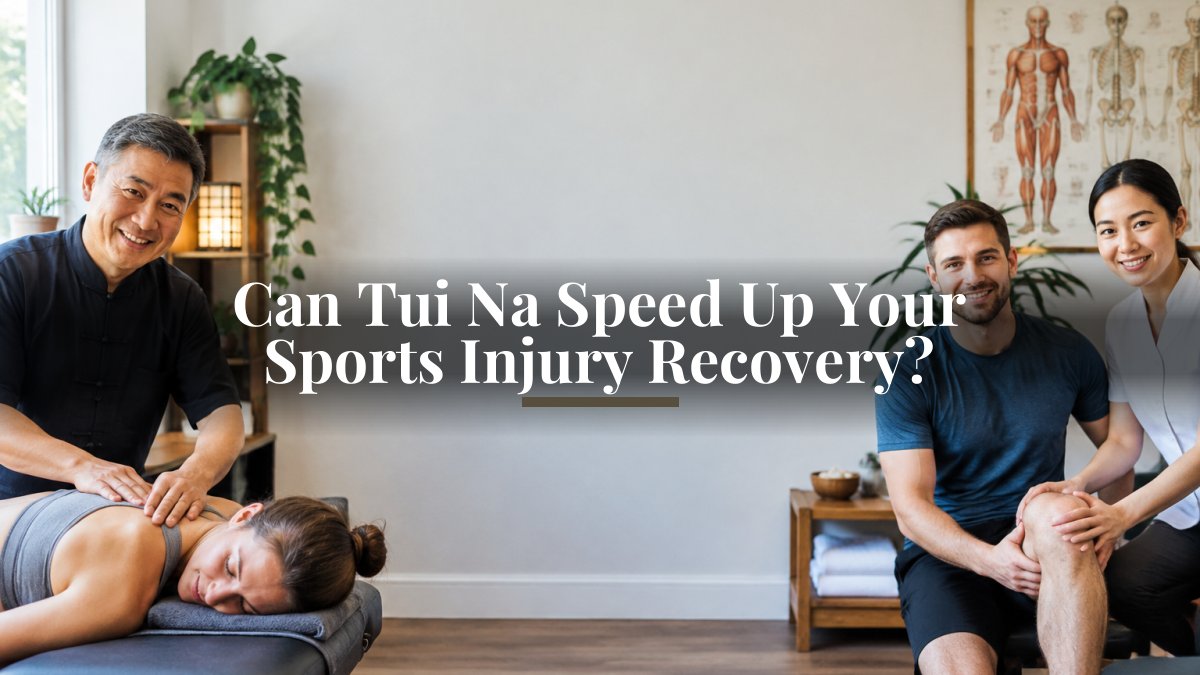
Can Tui Na Speed Up Your Sports Injury Recovery?
Last Updated: November 5, 2026
Quick Summary
Tui na can support sports injury recovery by using pressing, kneading, rolling and stretching movements on muscles, tendons and joints to ease pain and restore movement. At Lee Chinese Style Therapy Ltd, we use it to support the body's own repair process after strains, sprains and recurring training niggles, alongside other care where it helps.
- Firmer pressure comes later, once acute soreness has passed, as pushing hard too soon can set recovery back.
- Tell your practitioner exactly when the injury happened before any treatment begins.
- Seek urgent medical help for severe swelling, numbness, or a joint that will not move normally.
- Give the tissue a day to settle after treatment, and contact your practitioner if soreness lasts more than two days or worsens.
- Tui na works along channels as well as muscles, while sports massage is built around Western anatomy and training cycles.
Table of Contents
- How Tui Na Helps Sports Injuries Heal
- Tui Na Techniques for Common Sports Injuries
- Is Tui Na Safe for Acute Injuries?
- How Long Does a Tui Na Session Last?
- Tui Na vs Sports Massage: What's the Difference?
- Tui Na Aftercare Advice for Faster Recovery
- Book a Tui Na Consultation for Your Injury
- Frequently Asked Questions
How Tui Na Helps Sports Injuries Heal
Tui na for sports injury recovery is a hands-on form of traditional Chinese medicine that works on muscles, tendons and joints to ease pain and restore movement. At Lee Chinese Style Therapy Ltd, we use it to support the body's own repair process after strains, sprains and recurring training niggles.
The approach is simple to describe. A practitioner uses pressing, kneading, rolling and stretching movements along the affected area and the channels around it.
Three things make tui na useful in a sports context:
- It targets soft tissue directly, so tight calves, hamstrings and shoulders get hands-on attention
- It pairs well with other care, including acupuncture and cupping at our clinic
The NHS guidance on sprains and strains sets out why early movement and good tissue care matter after an injury. Tui na sits within that wider recovery picture, not instead of it.
Tui Na Techniques for Common Sports Injuries
Different injuries call for different hands. A fresh ankle sprain and a long-standing shoulder problem should never get the same treatment on day one. Here is how we adapt the work.
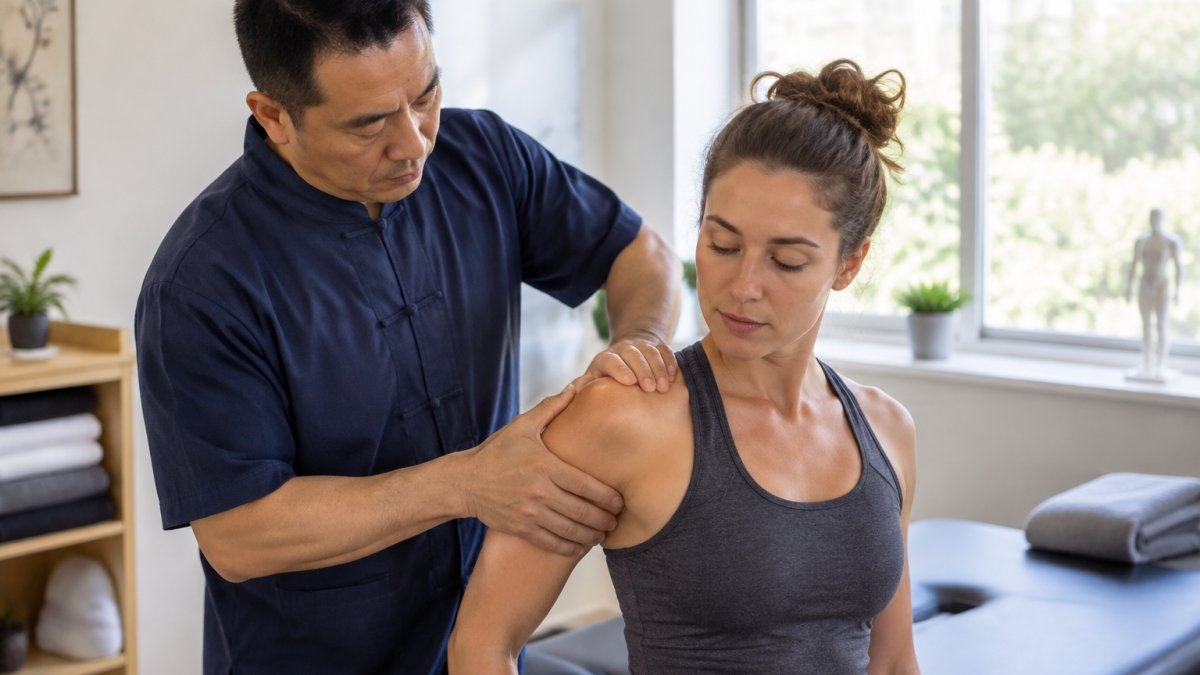
Techniques for Muscle Strains and Tears
For a hamstring or calf strain, expect:
- Slow kneading along the muscle belly
- Light rolling to ease protective tension
- Gentle stretching within a comfortable range
Firmer pressure comes later, once the acute soreness has passed. Pushing hard too soon can set recovery back.
Techniques for Joint Sprains and Stiffness
If a shoulder problem keeps returning, our Tui Na for shoulder injury step-by-step guide shows how the technique is applied joint by joint.
Is Tui Na Safe for Acute Injuries?
Acute injuries need caution, so tell your practitioner exactly when the injury happened before any treatment begins.
Seek urgent medical help for severe swelling, numbness, or a joint that will not move normally. Tui na is a complement to medical care, not a replacement for it.
How Long Does a Tui Na Session Last?
Session length depends on the treatment, so please contact the clinic for details of appointment times.
How often you come depends on the injury, and your practitioner will review progress at each visit.
Tui Na vs Sports Massage: What's the Difference?
Tui na and sports massage share plenty of ground, but they come from different traditions. Sports massage is built around Western anatomy and training cycles. Tui na comes from traditional Chinese medicine and works along channels as well as muscles.
| Feature | Tui Na | Sports Massage |
|---|---|---|
| Origin | Traditional Chinese medicine | Western sports therapy |
| Main focus | Channels, joints and soft tissue | Muscle groups and training load |
| Pressure style | Pressing, kneading, rolling, stretching | Effleurage, kneading, deep strokes |
| Typical use | Injury recovery and chronic stiffness | Pre-event, post-event, maintenance |
In practice, the two overlap more than they differ. Both aim to reduce tension and restore movement. The real difference comes down to the practitioner's training and how they read your injury.
If you are weighing up options, our guide comparing acupuncture and Tui Na for pain relief sets out where each works best.
Tui Na Aftercare Advice for Faster Recovery
What you do after a session matters as much as the session itself. Good aftercare advice keeps the gains and lowers the chance of a flare-up.
Follow the aftercare advice your practitioner gives you, and give the tissue a day to settle after treatment.
If soreness lasts more than two days or gets worse, contact your practitioner. The Chartered Society of Physiotherapy guidance on injury recovery also offers useful general advice on returning to activity safely.
For the full recovery picture, our Tui Na sports injury recovery guide goes deeper into planning treatment around training.
Book a Tui Na Consultation for Your Injury
Recovering from a sports injury takes patience, and the right hands-on care can make the process smoother. At Lee Chinese Style Therapy Ltd, we build each tui na session around your injury, your training and your goals.
Our clinic offers tui na alongside acupuncture, cupping and Gua Sha, so your plan can draw on more than one approach where it helps.
You can see our full range of Chinese medicine treatments in Willerby and Hull, or book a consultation to discuss your injury with a practitioner.
Frequently Asked Questions
How does Tui Na massage help with sports injuries?
Tui Na uses rhythmic pressing, kneading and stretching along the affected area and the channels around it. It can be combined with cupping or acupuncture at the same clinic.
How many Tui Na sessions are typically needed for injury recovery?
The number of sessions depends on the injury's severity and how long it has been present. Your practitioner can discuss what to expect at your first appointment.
Can Tui Na be combined with other therapies like acupuncture?
Yes. Tui Na can be combined with acupuncture, cupping and Gua Sha at this clinic. Tell your practitioner about any other treatment you are receiving so the session can be paced appropriately.
What should I expect during a Tui Na session for an injury?
Your practitioner will use hands-on techniques such as pressing, kneading and stretching on the affected area. Please contact the clinic for details of appointment times.
If a stubborn injury has kept you out of training, a proper assessment is the place to start. Lee Chinese Style Therapy Ltd offers hands-on tui na, tailored treatment plans and a calm clinic setting where recovery comes first. Get started with Lee Chinese Style Therapy Ltd and give your body the support it needs to move well again.