
 how-to
Acupuncture for Chronic Neck Pain: 2026 UK Guide
Table of Contents
- When Chronic Neck Pain Won't Shift: What Acupuncture Offers
- What Acupuncture for Chronic Neck Pain Does, and How It Works
- Acupuncture Session Duration for Neck Pain: What to Expect
- How to Prepare for an Acupuncture Appointment
- How Many Sessions You'll Need, and How Often
- Safety and Regulation of Acupuncture Practitioners
- Combining Acupuncture for Chronic Neck Pain with Physical Therapy
- Frequently Asked Questions
Last Updated: September 25, 2026
When Chronic Neck Pain Won't Shift: What Acupuncture Offers
Chronic neck pain is one of the most common reasons people seek help outside standard care. Chronic neck pain is one of the most common reasons people seek help outside standard care. People often try physiotherapy, painkillers, and injections, yet still wake up with a stiff neck that will not budge.
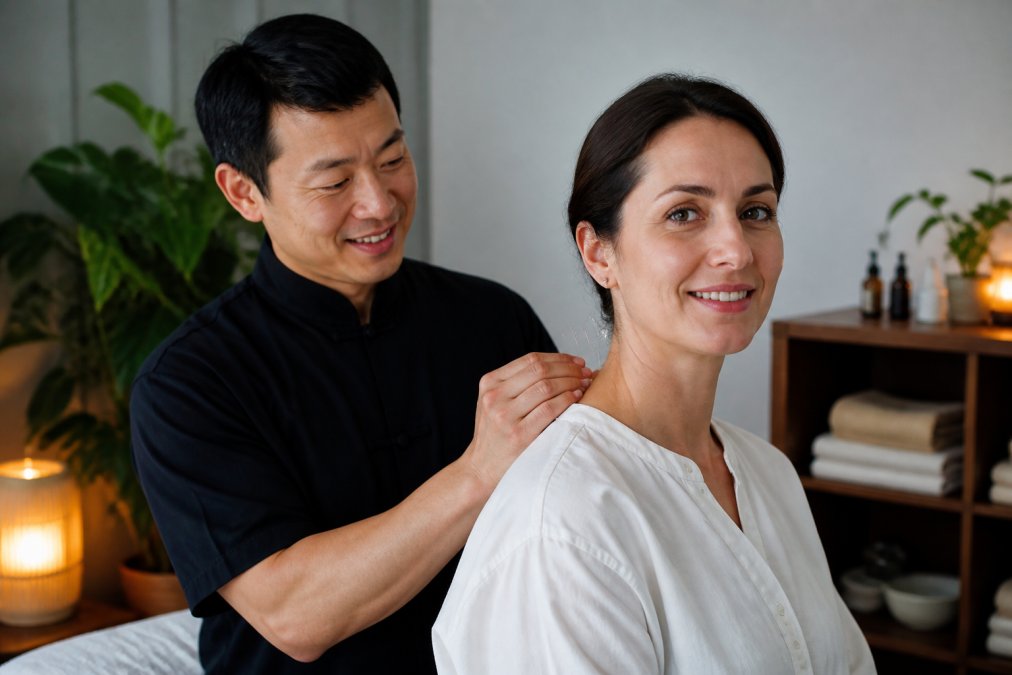
Acupuncture for chronic neck pain is a therapeutic intervention that uses fine needles at specific acupuncture points to ease pain and improve movement. It sits within complementary medicine, and a growing body of clinical research treats it as a reasonable option when routine care has not delivered enough relief.
The problem is that most information online stops at the research summary. It tells you acupuncture might work, then leaves you with practical questions: how long does a session take, how many will you need, and what happens between appointments?
Below, we answer those. We also cover the safety and regulation side, because that matters as much as the needles themselves.
What Acupuncture for Chronic Neck Pain Does, and How It Works
Acupuncture for chronic neck pain works by targeting specific points along the neck, shoulders, and upper back to reduce pain and restore movement. Traditional Chinese medicine explains this through the flow of energy along meridians, while modern research focuses on how needling affects nerve signalling and muscle tension.
Both views agree on one thing: the neck is a complex area. Chronic neck pain often involves more than one structure.
- Muscles in spasm, especially around trigger points
- Joints that have stiffened from guarding
- Nerve irritation that refers pain into the shoulder or arm
- Postural strain from desk work or long drives
A common mistake is treating the neck in isolation. In practice, the shoulders and upper back usually need attention too.
Acupuncture Session Duration for Neck Pain: What to Expect
A typical acupuncture session for neck pain lasts between 20 and 40 minutes once the needles are in place. The full appointment, including consultation and assessment, usually runs longer.
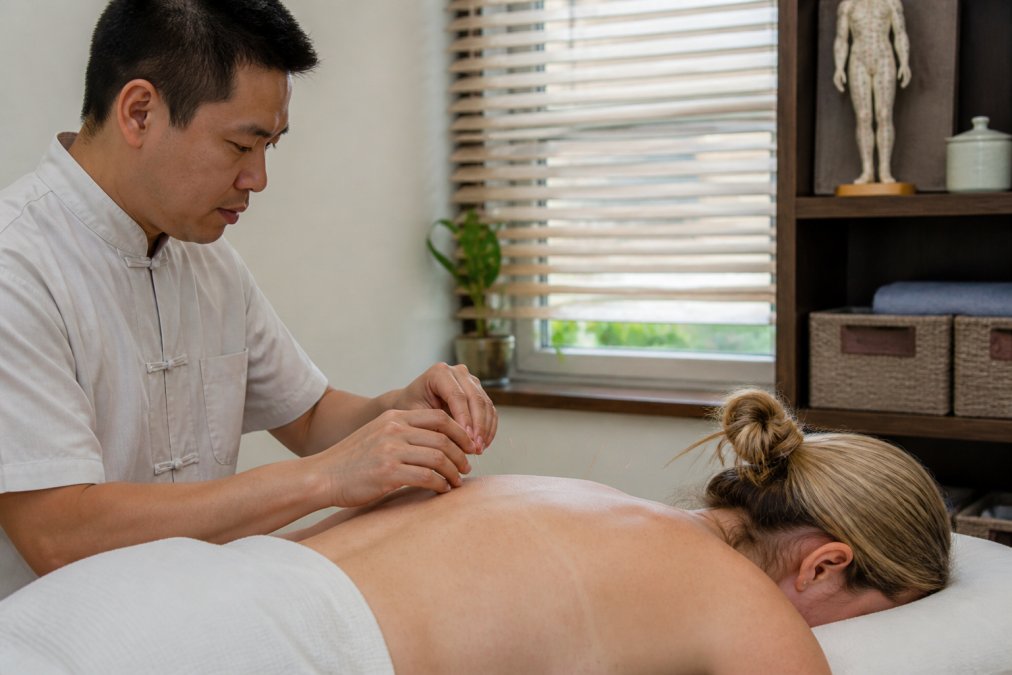
Here is how a first appointment tends to run:
- Consultation: 10-15 minutes covering history, pain pattern, and previous treatment
- Assessment: checking neck movement, tender points, and posture
- Needling: needles placed and left for around 20-30 minutes
- Post-treatment: brief review and advice for the days after
Shallow Needling and Auricular Acupuncture
Not every point needs deep insertion. Shallow acupuncture places needles just under the skin, which suits people who are nervous about needling or sensitive to stronger sensation. Auricular acupuncture uses points on the ear, and is often chosen as part of a broader plan for pain management.
How to Prepare for an Acupuncture Appointment
Preparation for an acupuncture appointment is simple, but it changes how well the session goes. Eat something light an hour or two beforehand, and avoid arriving on an empty stomach.
A few practical steps:
- Wear loose clothing with a wide neckline so points on the neck and shoulders are easy to reach
- Skip alcohol on the day
- Bring a list of medicines, including blood thinners
- Note down when your pain is worst and what makes it better
How Many Sessions You'll Need, and How Often
Most people need a course of treatment rather than a single session. A common approach is weekly sessions for the first few weeks, then spacing them out as pain settles. But the honest answer is that it varies, and the research on treatment frequency for chronic neck pain is surprisingly thin. This is where most online guides stop. They tell you it varies, then leave you without a plan.
| Phase | Typical Frequency | Duration | What to Expect |
|---|---|---|---|
| Weeks 1-2 | 2 sessions per week | 20-30 minutes needling | Early pain reduction, improved sleep |
| Weeks 3-4 | 1-2 sessions per week | 20-30 minutes needling | Movement gains, reduced muscle guarding |
| Weeks 5-8 | 1 session per week | 20-30 minutes needling | Consolidation, spacing out begins |
| Weeks 9-12 | 1 session every 10-14 days | 20-30 minutes needling | Maintenance, focus shifts to self-care |
| Ongoing | Monthly or as needed | 20-30 minutes needling | Relapse prevention, alongside home exercises |
What the evidence says about frequency
Signs the plan is working
- You can turn your head further before pain stops you
- Pain-free periods between sessions are getting longer
- You are sleeping better or waking less often with neck pain
- You need fewer painkillers on average days
Signs the plan needs changing
- No change in pain or function after four to six sessions
- Pain is spreading, worsening, or coming with new arm weakness or numbness
- You are relying on sessions to get through the day, with no carry-over between appointments
How this differs from what you'll read elsewhere
Safety and Regulation of Acupuncture Practitioners
Safety and regulation of acupuncture practitioners is a fair question, and the answer is not always clear-cut. Acupuncture is not regulated in the same way as medicine, so standards depend on the practitioner's training and professional body.
When choosing a practitioner, check:
- Membership of a recognised professional association
- Training in anatomy, clean needle technique, and contraindications
- Use of single-use, sterile, disposable needles
- Clear insurance cover
- Willingness to explain risks and refer on when needed
Combining Acupuncture for Chronic Neck Pain with Physical Therapy
Acupuncture for chronic neck pain works best as part of a wider plan. Many practitioners now treat it as an adjunct therapy rather than a standalone fix. The logic is straightforward: needling can reduce pain enough for you to move more. Movement, in turn, builds strength and stops the cycle returning. But how this works in practice, and what you should actually do between sessions, is where most guides fall short.
Why combining approaches matters
A practical integration plan
| Stage | Focus | Acupuncture Role | Physical Therapy Role |
|---|---|---|---|
| Weeks 1-2 | Reduce pain | 2 sessions per week, targeting local and distal points | Gentle range-of-movement exercises, pain-free only |
| Weeks 3-6 | Restore range | 1-2 sessions per week, adding points for stress and sleep | Stretching, postural retraining, Tui Na massage if available |
| Weeks 6-12 | Build strength | 1 session per week or fortnight, maintenance focus | Strengthening, functional movement, home programme |
| Ongoing | Prevent relapse | Monthly or as needed | Independent home programme, periodic review |
What to do between sessions
- Days 1-2 after needling: gentle movement only. Avoid heavy lifting or prolonged static postures.
- Days 3-7: resume your physical therapy exercises. If pain allows, add one new movement or a small increase in resistance.
- Ongoing: keep a daily note of pain, stiffness, and what you could do that day. This helps both practitioners see the full picture.
Working with your GP and other practitioners
What the evidence says about combining approaches
How this differs from what you'll read elsewhere
Frequently Asked Questions
How many acupuncture sessions are typically needed for neck pain?
Most treatment plans start with a short course of sessions, often weekly for the first few weeks, then taper as neck tension eases. Your practitioner will review progress at each visit and adjust the plan. Some people notice short-term relief after the first session; others need several before changes hold. Because chronic neck pain varies so much between individuals, your therapist will recommend a frequency that suits your condition rather than a fixed number.
Is acupuncture recommended by the NHS for neck pain?
UK clinical guidance recognises acupuncture as a treatment option for some types of chronic musculoskeletal pain, including neck pain, and it is offered in some NHS pain services. Availability varies by area and waiting lists can be long. Many people choose to see a qualified practitioner privately instead. If you are considering acupuncture for chronic neck pain, speak to your GP first, especially if you take blood-thinning medication or have a bleeding disorder.
Are there any side effects of acupuncture for neck pain?
Most people tolerate acupuncture well. Common after-effects include mild soreness, small bruises or a brief feeling of light-headedness at the needle sites, usually settling within a day or two. Serious complications are rare when treatment is carried out by a trained, insured practitioner using sterile single-use needles. Tell your practitioner about any medication you take, any bleeding disorders, and whether you are pregnant, so they can adapt the treatment safely.
Can acupuncture provide long-term relief for chronic neck stiffness?
Research on acupuncture for chronic neck pain suggests benefits are often clearest in the short term, with some people reporting lasting improvement when sessions are combined with movement, posture work and physical therapy. Acupuncture is best viewed as one part of a wider plan rather than a standalone cure. Your practitioner should discuss realistic goals with you at consultation and review whether the treatment is helping your function, not just your pain score.
Chronic neck pain rarely resolves on its own, and a plan that only masks symptoms tends to unravel. Lee Chinese Style Therapy Ltd offers acupuncture alongside Tui Na massage, cupping, and Gua Sha, delivered by practitioners who bridge traditional technique with modern clinical thinking. If you have tried other routes without lasting change, book a consultation and get an assessment built around your neck, not a template.