
 blog
Acumedic Alternatives for Musculoskeletal Pain
Table of Contents
- Understanding Acumedic and Why People Seek Alternatives
- Musculoskeletal Pain Treatment Options Beyond Acumedic
- Acupuncture vs Osteopathy for Pain: Key Differences
- When Is Acupuncture Not Recommended
- How to Choose an Acupuncture Practitioner
- Evidence and Realistic Expectations for Acumedic Alternatives
- Frequently Asked Questions
Last Updated: October 10, 2026
Understanding Acumedic and Why People Seek Alternatives
Many people initially consider Acumedic for joint pain, back pain, and other musculoskeletal conditions, but discover they need acumedic alternative musculoskeletal pain options due to availability, cost, personal preference, or treatment response. Finding the right acumedic alternative musculoskeletal pain approach requires exploring multiple therapeutic options.
No single treatment works for everyone. Some patients respond well to acupuncture, whilst others find osteopathy or movement-based therapies more effective. Understanding alternatives helps you make an informed decision about your care pathway.
Musculoskeletal Pain Treatment Options Beyond Acumedic
Musculoskeletal pain treatment options extend far beyond any single clinic or provider. The landscape includes acupuncture, spinal manipulation, osteopathy, massage therapy, movement-based approaches, and herbal medicine. Each addresses pain through different mechanisms and suits different conditions, budgets, and preferences.
Research shows that patients benefit most when they understand their choices and select treatments aligned with their condition and lifestyle. According to NHS guidance on musculoskeletal pain management, a multimodal approach, combining several complementary therapies, often produces better long-term outcomes than relying on a single method.
Acupuncture and Traditional Chinese Medicine
Acupuncture is one of the most researched complementary therapies for musculoskeletal pain. Fine needles are inserted at specific points to stimulate nerves and tissues, aiming to reduce pain and restore function. Many patients report relief from neck pain, lower back pain, shoulder pain, and joint conditions after 4-12 sessions lasting 30-45 minutes each.
Spinal Manipulation and Chiropractic Care
Spinal manipulation applies controlled force to vertebrae to improve alignment and mobility. This approach works well for acute back pain and neck stiffness, though results vary for chronic conditions. Spinal manipulation carries specific risks, particularly in the upper neck; practitioners must screen carefully for contraindications before treatment.
Osteopathy and Manual Therapy
Osteopathy uses hands-on techniques to improve mobility and reduce pain, focusing on whole-body mechanics rather than spine-specific alignment. Treatment suits patients with restricted movement, postural imbalances, or muscular tension, and often includes lifestyle advice and movement education.
Massage Therapy and Soft Tissue Techniques
Massage therapy releases muscle tension, improves circulation, and promotes relaxation. Deep tissue massage targets specific problem areas; Tui Na combines massage with acupressure. Regular sessions, weekly or fortnightly, maintain mobility and reduce chronic tension, particularly for athletes and those with repetitive strain injuries.
Movement-Based Therapies: Yoga, Tai Chi, and Pilates
Movement-based approaches, yoga, Tai Chi, and Pilates, build strength, flexibility, and body awareness whilst reducing pain. These therapies suit chronic pain sufferers because they can be practised at home, adapted to your fitness level, and sustained long-term. Many combine them with hands-on treatments for faster initial relief.
Herbal Medicine and Complementary Approaches
Chinese herbal medicine uses plant-based formulations to reduce inflammation and support healing. Some herbs have been studied for pain relief and anti-inflammatory effects, though evidence varies by herb and condition. Herbal medicine often complements acupuncture treatment.
| Treatment Type | Best For | Duration | Frequency |
|---|---|---|---|
| Acupuncture | Chronic pain, nerve pain, restricted mobility | 30-45 minutes | 1-2 per week initially |
| Spinal manipulation | Acute back/neck pain, misalignment | 15-30 minutes | 2-3 per week |
| Osteopathy | Postural issues, muscular tension, mobility | 45-60 minutes | 1-2 per week |
| Massage therapy | Muscle tension, recovery, relaxation | 30-60 minutes | Weekly or fortnightly |
| Yoga/Tai Chi | Chronic pain, prevention, flexibility | 45-90 minutes | 2-3 per week |
| Herbal medicine | Inflammation, circulation, systemic support | N/A | Daily (oral) |
Acupuncture vs Osteopathy for Pain: Key Differences
Acupuncture stimulates specific points using needles to influence nerve and tissue function, whilst osteopathy manipulates muscles, joints, and tissues directly to restore mechanical function. Acute injuries often respond quickly to osteopathic manipulation; chronic pain conditions often benefit from acupuncture's cumulative effects. Some patients use both sequentially: initial osteopathic treatment to restore mobility, followed by acupuncture to manage residual pain.
When Is Acupuncture Not Recommended
Acupuncture is contraindicated for patients on anticoagulant medications (warfarin, apixaban, rivaroxaban) due to increased bleeding risk, those with severe needle phobia, certain infections or skin conditions at needle sites, and pregnancy (which requires modified technique). Acupuncture alone may not address structural problems requiring surgical intervention; it complements rather than replaces conventional medical treatment.
Safety and Suitability Across Alternative Therapies
Beyond acupuncture, each alternative carries specific contraindications and suitability considerations:
Spinal manipulation poses risks for patients with osteoporosis, severe arthritis, or neurological conditions affecting the spine. Upper neck manipulation carries a small risk of vertebral artery dissection; practitioners must screen carefully and use gentler techniques. Patients on anticoagulants face similar bleeding concerns as with acupuncture.
Osteopathy is generally safe for most people, but forceful manipulation is unsuitable for patients with bone fragility, active inflammation, or severe joint instability. Practitioners should avoid vigorous techniques in patients with rheumatoid arthritis during flare-ups.
Massage therapy should be avoided over areas of acute inflammation, infection, or open wounds. Deep tissue massage is contraindicated for patients on anticoagulants or those with thrombosis risk.
Herbal medicine carries interaction risks with conventional medications. Common pain-relief herbs like turmeric, ginger, and willow bark have mild anticoagulant and anti-inflammatory properties; combining them with warfarin, aspirin, or NSAIDs increases bleeding risk. St.
Movement therapies (yoga, Tai Chi, Pilates) are low-risk for most people but require modification for patients with severe joint damage, acute injury, or balance disorders.
Practitioner Qualifications and Insurance
Regardless of therapy type, practitioner qualifications directly affect safety. Look for:
- Acupuncture: Registration with the British Acupuncture Council or Acupuncture Regulatory Working Group; minimum 3-year training; current professional indemnity insurance; sterile, single-use needles.
- Spinal manipulation / Chiropractic: Registration with the General Chiropractic Council; minimum 3-year degree-level training; evidence of screening protocols for contraindications.
- Osteopathy: Registration with the General Osteopathic Council; minimum 4-year degree-level training; professional indemnity insurance.
- Massage therapy: Membership of a professional body such as the Complementary Therapists' Association or Sports Massage Association; minimum 1-2 year training; clear scope of practice.
- Herbal medicine: Registration with the National Institute of Medical Herbalists or similar; training in herb-drug interactions; knowledge of MHRA regulations.
Questions to Ask Before Starting Treatment
Before committing to any therapy, ask your prospective practitioner:
- Are you registered with a recognised professional body?
- What is your experience treating my specific condition?
- Do you screen for contraindications and drug interactions?
- What are realistic outcomes and timelines for my condition?
- How will we measure progress?
- When should I seek conventional medical review if treatment isn't working?
- Do you work alongside my GP or other healthcare providers?
A practitioner who answers these questions clearly and encourages you to maintain conventional medical care is more likely to deliver safe, effective treatment.
How to Choose an Acupuncture Practitioner
Selecting a qualified acupuncture practitioner directly influences treatment safety and effectiveness. Look for practitioners registered with recognised bodies such as the British Acupuncture Council or the Acupuncture Regulatory Working Group.
Ask about their experience with your specific condition. A practitioner experienced in sports injuries differs from one specialising in chronic pain or fertility support.
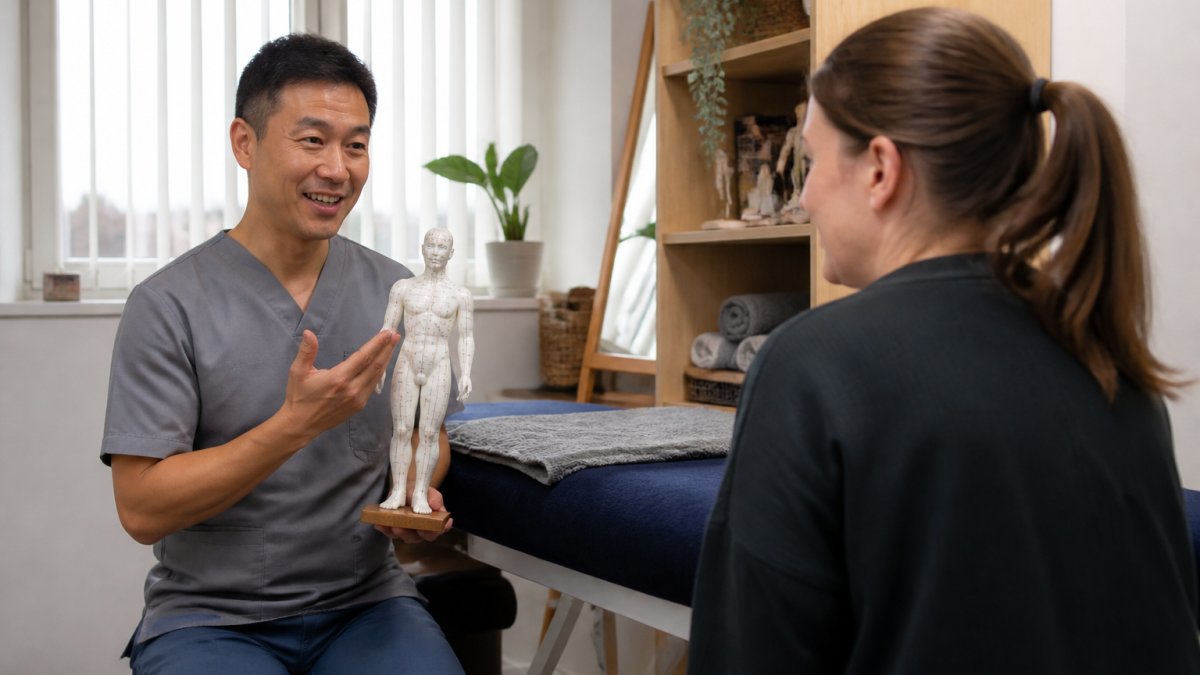
Consultation matters too. A good practitioner spends time understanding your condition, medical history, and goals before beginning treatment. They should explain their approach, expected timeline, and realistic outcomes rather than promising quick fixes.
Evidence and Realistic Expectations for Acumedic Alternatives
Evidence quality varies significantly across complementary therapies and by condition. Understanding what research actually shows, rather than relying on broad claims, helps set realistic expectations.
Evidence Strength by Therapy and Condition
Acupuncture for chronic pain has the strongest evidence base.
Spinal manipulation shows strong evidence for acute lower back pain and neck pain, particularly when combined with exercise, with benefits appearing within 2-4 weeks.
Osteopathy has moderate evidence for lower back pain, neck pain, and postural dysfunction, reducing pain and improving mobility in 60-70% of patients with mechanical back pain when combined with self-care advice.
Massage therapy shows moderate evidence for muscle tension, sports injuries, and recovery.
Movement therapies (yoga, Tai Chi, Pilates) have strong evidence for chronic pain prevention and management.
Herbal medicine evidence is mixed. Some herbs (turmeric, ginger, willow bark) show anti-inflammatory effects comparable to over-the-counter pain relief, but evidence for other herbs is limited.
Realistic Timelines and Measurable Outcomes
Most complementary treatments require patience. Here's what to expect:
Acute conditions (recent injury, new-onset pain):
- Osteopathy or spinal manipulation: 2-4 weeks, typically 2-3 sessions per week.
- Acupuncture: 4-8 weeks, typically 1-2 sessions per week.
- Massage: 2-4 weeks, typically weekly sessions.
- Outcome: 50-70% pain reduction, restored mobility, return to normal activity.
Chronic conditions (pain lasting 3+ months):
- Acupuncture: 8-12 weeks, typically 1-2 sessions per week initially, then maintenance.
- Osteopathy: 6-10 weeks, typically 1-2 sessions per week, then as-needed.
- Movement therapy: 8-12 weeks of regular practice (2-3 sessions per week) before significant improvement; ongoing practice required to sustain benefits.
- Outcome: 20-40% pain reduction, improved function and sleep, reduced medication use in some cases.
Fibromyalgia or widespread chronic pain:
- Acupuncture: 12-16 weeks minimum; benefits are often modest (15-25% improvement).
- Movement therapy: 12+ weeks; benefits build slowly but are more sustainable than medication alone.
- Outcome: Modest pain reduction, improved sleep and energy, reduced medication dependence.
How to Measure Progress
Track progress objectively:
- Pain level: Use a 0-10 scale weekly. Aim for 20-30% reduction within 4-8 weeks for acute conditions; 15-25% reduction within 8-12 weeks for chronic conditions.
- Mobility and function: Note specific activities that were limited and reassess monthly.
- Sleep quality: Track hours slept and wake-ups per night.
- Medication use: Record pain medication frequency.
- Work or activity tolerance: Note how long you can work or exercise before pain worsens.
When to Reassess or Seek Conventional Care
If after 8-12 weeks of consistent treatment you see no measurable improvement, discuss with your practitioner whether treatment approach needs adjustment, a different therapy might suit you better, or conventional medical investigation is needed.
Seek urgent conventional medical review if:
- Pain worsens despite treatment.
- New neurological symptoms develop (numbness, weakness, loss of bladder/bowel control).
- You develop unexplained swelling, redness, or warmth in a joint.
- Pain is accompanied by fever, weight loss, or night sweats.
Frequently Asked Questions
What are the main acumedic alternatives for treating musculoskeletal pain?
Several complementary therapies address musculoskeletal pain effectively. Acupuncture and Traditional Chinese Medicine work by stimulating specific points to reduce pain and improve function. Osteopathy uses manual techniques to address structural imbalances. Massage therapy targets soft tissue tension, whilst movement-based therapies like yoga and Tai Chi improve strength and flexibility. Herbal medicine and spinal manipulation offer additional options. The best choice depends on your specific condition, preferences, and what evidence supports for your type of pain.
How does acupuncture compare to osteopathy for musculoskeletal pain?
Acupuncture stimulates specific points using fine needles to influence pain signals and promote healing, with effects on nerve function and circulation. Osteopathy uses hands-on manipulation to correct structural misalignments and improve mobility. Research shows both can be effective for conditions like back pain and neck stiffness. Acupuncture suits those seeking needle-based treatment; osteopathy appeals to those preferring manual manipulation. Some people benefit from combining both approaches for chronic pain management.
When is acupuncture not recommended for pain relief?
Acupuncture is not recommended for certain conditions or circumstances. Avoid it if you have severe bleeding disorders, are taking blood thinners without medical clearance, have active infections at needle sites, or are pregnant (unless treated by a specialist experienced in pregnancy acupuncture). It is unsuitable during acute inflammatory flare-ups in some cases. People with needle phobia may find it distressing. Always disclose your medical history and current medications to your practitioner before treatment begins.
What qualifications should I look for when choosing an acupuncture practitioner?
Look for practitioners registered with the British Acupuncture Council (BAC) or the Acupuncture Regulatory Working Group (ARWG), which ensures they have completed recognised training and professional insurance. Verify they hold qualifications from accredited colleges, typically requiring 3+ years of study. Check they follow strict hygiene protocols and use sterile, single-use needles. Ask about their experience treating your specific condition. Professional credentials, membership in regulatory bodies, and clear communication about treatment plans and realistic outcomes are essential markers of a qualified practitioner.