 blog
blog
Non-Surgical Facial Rejuvenation in Hull: 2026 Guide
Table of Contents
- What Non-Surgical Facial Rejuvenation Involves
- Popular Non-Surgical Facial Rejuvenation Treatments Compared
- Cosmetic Facial Acupuncture Benefits for Skin Firmness
- How Long Does Facial Acupuncture Last?
- Holistic Facial Rejuvenation Methods Alongside Aesthetic Treatments
- Preparing for Treatment, Recovery and Long-Term Maintenance
- Choosing an Aesthetic Practitioner and Understanding Costs
- Frequently Asked Questions
Last Updated: September 14, 2026
What Non-Surgical Facial Rejuvenation Involves
Non-surgical facial rejuvenation is the use of treatments that improve skin firmness, tone and facial contours without surgery or extended recovery. At Lee Chinese Style Therapy Ltd, we see this as a spectrum rather than a single procedure: some approaches work on skin laxity, others restore volume, and others support the body's own repair processes.
The goal is rarely dramatic transformation. It is a fresher, more rested version of your own face.

Facial rejuvenation has moved well beyond the idea that only injectables count. According to NHS information on cosmetic procedures, anyone considering an aesthetic treatment should choose a qualified practitioner and understand the risks before committing. That advice frames everything below.
This guide compares the main options, explains realistic recovery and maintenance, and covers the preparation most clinics skip.
Popular Non-Surgical Facial Rejuvenation Treatments Compared
The main non-surgical options fall into three families: energy-based tightening, injectables, and techniques that stimulate the skin's own renewal. Each suits different concerns, and most people combine two or more rather than relying on a single approach.
The table below compares the treatments most commonly offered in the UK, including how long results typically last and what recovery actually looks like. This is the side-by-side view most clinic pages omit.
| Treatment | Primary Concern | Typical Downtime | Results Build Over | How Long Results Last |
|---|---|---|---|---|
| HIFU | Skin laxity, sagging | None to minimal | 8-12 weeks | 9-12 months |
| Radiofrequency | Mild laxity, skin texture | None | 4-8 weeks | 6-12 months |
| Dermal fillers | Volume loss, folds | 1-3 days | Immediate | 6-18 months depending on area and product |
| Anti-wrinkle injections | Dynamic fine lines | None | 3-14 days | 3-4 months |
| Microneedling | Texture, scarring, tone | 1-3 days | 4-6 weeks | 6-12 months with maintenance |
| Cosmetic facial acupuncture | Firmness, tone, glow | None | 4-8 weeks | Several weeks, maintained with regular sessions |
HIFU and Radiofrequency for Skin Tightening
HIFU and radiofrequency both use controlled energy to heat deeper skin layers, encouraging collagen production and a lifted appearance. HIFU delivers focused ultrasound at precise depths, targeting the deeper structural layers that support the face. Radiofrequency works more broadly across the skin, heating tissue to stimulate collagen and improve texture and mild laxity. Neither involves needles, and most people return to normal activity straight away.
The trade-off is time. Collagen remodelling is gradual, so results build over two to three months rather than appearing overnight. HIFU tends to produce a more noticeable lift for those with genuine laxity; radiofrequency is better suited to early signs of ageing and skin quality concerns.
Dermal Fillers and Anti-Wrinkle Injections
Dermal fillers restore volume using hyaluronic acid, softening folds and rebalancing facial proportions. Anti-wrinkle injections relax the specific muscles that create fine lines. Both are medical aesthetic treatments and should only be carried out by trained, insured practitioners.
Fillers can produce immediate change, but the result settles over the following two weeks as swelling resolves and the product integrates. Anti-wrinkle injections take three to fourteen days to fully take effect (Botulinum toxin injections). Both are temporary, and both require a practitioner who understands facial anatomy and can manage complications.
Microneedling and Volume Restoration
Microneedling creates controlled micro-injuries that trigger the skin's repair response, improving skin texture and tone over several sessions. It pairs well with volume restoration work, though the two address different problems: one refines the surface, the other rebuilds structure.
A common pattern is to use microneedling for texture and scarring while using fillers to restore lost volume in the cheeks, temples or mid-face. Spacing these treatments apart, rather than stacking them in the same week, reduces irritation and gives each one room to work.
Cosmetic Facial Acupuncture Benefits for Skin Firmness
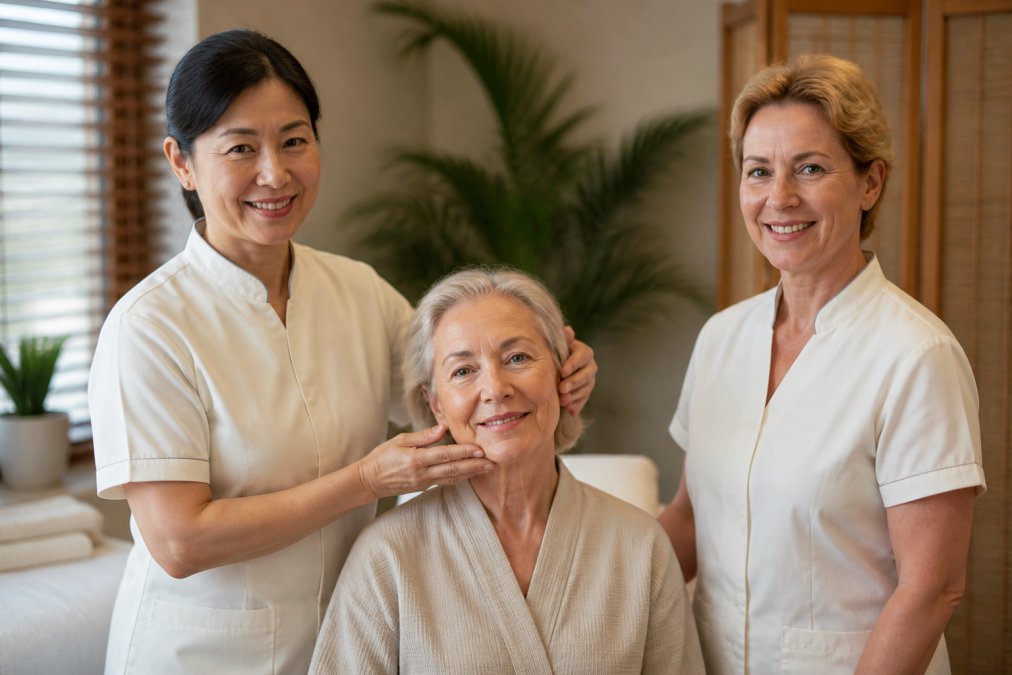
Cosmetic facial acupuncture benefits come from fine needles placed at specific points on the face and body. The aim is to support circulation, skin firmness and a naturally lifted appearance without altering your features.
Unlike injectables, which change volume or muscle movement, facial acupuncture works with what is already there. Many patients describe the result as looking rested rather than treated.
How Long Does Facial Acupuncture Last?
Facial acupuncture results typically last several weeks, with the effect fading gradually rather than stopping abruptly. A common approach is a course of weekly sessions, then maintenance every four to six weeks.
How long results last depends on skin laxity, age, lifestyle and how consistently you keep up maintenance. It is not permanent, and any provider suggesting otherwise is overselling.
Holistic Facial Rejuvenation Methods Alongside Aesthetic Treatments
Holistic facial rejuvenation methods work best as support, not replacement. Gua Sha, acupressure and facial massage encourage circulation and can ease tension held in the jaw and brow, which often contributes to a tired appearance.
At Lee Chinese Style Therapy Ltd, these techniques are used alongside acupuncture rather than instead of it. Sleep, hydration and stress management matter more than most people expect. Skin reflects what is happening underneath it.
Preparing for Treatment, Recovery and Long-Term Maintenance
Preparation is straightforward but frequently overlooked. What you do in the week before a treatment affects both comfort and results, and what you do in the months after determines whether those results last.
Pre-Treatment Preparation
Most practitioners recommend a simple protocol in the week before treatment:
- Avoid alcohol for 24-48 hours beforehand, as it increases bleeding and bruising risk.
- Pause blood-thinning medication only if your practitioner or GP advises it. Never stop prescribed medication without medical advice.
- Avoid fish oil, high-dose vitamin E, ginkgo and similar supplements for a few days where advised.
- Arrive hydrated and having eaten normally. Fainting is more common on an empty stomach.
- Skip intense exercise on treatment day, particularly before injectables or microneedling.
- Tell your practitioner about any cold sore history, recent dental work, or upcoming dental work.
- Avoid waxing, threading or exfoliating the treatment area for 48 hours beforehand.
If you use prescription skincare such as retinoids or acids, ask whether to pause it for a few days before treatment. This is a common cause of unnecessary irritation.
Comparative Recovery Timelines
Recovery varies by treatment type, and the differences matter when you are planning around work or events.
| Treatment | Day of Treatment | Days 1-3 | Days 4-7 |
|---|---|---|---|
| HIFU | Warmth or tenderness | Possible tenderness, no visible marks | Normal |
| Radiofrequency | Warmth, mild redness | Redness settles | Normal |
| Dermal fillers | Swelling, possible bruising | Swelling reduces, bruising may show | Most bruising resolved |
| Anti-wrinkle injections | Small bumps at injection sites | Bumps settle, effect begins | Effect developing |
| Microneedling | Redness like mild sunburn | Redness fades, skin may feel tight | Normal, possible flaking |
| Cosmetic facial acupuncture | Possible tiny marks | Marks fade | Normal |
Injectables and acupuncture involve no real downtime. Microneedling and fillers may leave redness or mild swelling for one to three days. HIFU can feel tender for a short period but rarely leaves visible marks.
Long-Term Maintenance Roadmap
Long-term maintenance is where results are kept or lost. Most people do best with a scheduled plan rather than reactive top-ups. A common annual pattern looks like this:
- Every 3-4 months: Anti-wrinkle injections where used, to prevent lines from re-establishing.
- Every 4-6 weeks: Cosmetic facial acupuncture maintenance sessions to sustain firmness and tone.
- Every 6-12 months: Dermal filler review and top-up only where volume loss has returned.
- Every 9-12 months: HIFU or radiofrequency repeat treatment to maintain collagen stimulation.
- Every 6-12 months: Microneedling course or single maintenance session for texture.
This is a guide, not a prescription. Your own schedule should reflect your skin, your budget and how your results fade. The key is to book the next session before the previous result has fully gone, rather than waiting until you feel you need to start again.
- Confirm your treatment plan and spacing in advance
- Note any medication or supplements you take
- Avoid alcohol and strenuous exercise on the day
- Book maintenance sessions before results fade
- Keep a simple record of what was used and when
Contraindications and Medical Screening
Screening matters more than the treatment itself. Pregnancy, active skin infections, certain autoimmune conditions, and some medications can rule out specific options. A responsible practitioner will ask about your medical history and, where needed, ask you to check with your GP first.
If a provider skips this step, treat it as a warning sign. The Care Quality Commission guidance on cosmetic treatments sets out what good practice looks like for providers.
Choosing an Aesthetic Practitioner and Understanding Costs
Qualifications, insurance and consultation quality separate good providers from risky ones. Ask directly what training the practitioner holds, what can go wrong, and who handles complications.
Costs vary widely by treatment, session count and provider, so pricing depends on your individual plan. Rather than quoting a figure that will not apply to you, we recommend asking for a written breakdown covering the full course, not just the first session. For current pricing, check the provider's own website directly.
Frequently Asked Questions
How much does non-surgical facial rejuvenation cost?
Costs vary widely by treatment type, the number of sessions and the practitioner's qualifications. Courses such as cosmetic facial acupuncture are often quoted as a package. Because pricing depends on your individual treatment plan, ask your chosen provider for a written quote after a consultation. A reputable clinic should explain the full cost before you commit to anything.
How long do the results of non-surgical facial treatments typically last?
It depends on the treatment. Cosmetic facial acupuncture benefits tend to build with a course of sessions, with results often maintained through periodic top-ups. Your practitioner can give a realistic timeframe for your skin.
Is non-surgical facial rejuvenation suitable for all skin types?
Most treatments suit a wide range of skin types, but suitability also depends on your medical history, medications and skin condition. Some treatments are not recommended during pregnancy, over active infections or in areas with certain skin disorders. A thorough consultation and medical screening should always come first, so a qualified aesthetic practitioner can confirm which options are safe and appropriate for you.
What should I look for when choosing a skin clinic for facial rejuvenation?
Check the practitioner's qualifications, registration and insurance, and ask how they handle complications. A good clinic offers a face-to-face consultation, explains risks honestly and avoids pressure to buy packages on the spot. Ask what training the practitioner has in each specific treatment. If anything feels rushed or unclear, seek a second opinion.
Choosing facial rejuvenation in Hull means weighing results against risk, cost and how much upkeep you are willing to commit to. Lee Chinese Style Therapy Ltd approaches this through cosmetic facial acupuncture and holistic techniques, including Gua Sha and acupressure, delivered by practitioners who screen carefully before treating. If you want a natural-looking result without surgery, book a consultation and get a plan built around your skin, not a package.